Course description
The 16th EPODES Advanced II is an interactive international course focusing on the comprehensive management of surgically treatable epilepsies. The program covers presurgical evaluation, scalp and intracranial EEG, neuroimaging, neuropsychology, psychiatry, genetics, and the full spectrum of epilepsy surgery techniques and outcomes. EPODES courses are organized in three-year cycles. The 2027 edition will place a special emphasis on paediatric epilepsy surgery, disease-modifying strategies for patients who are not optimal candidates for resective surgery, and neuromodulation. The educational program combines state-of-the-art lectures delivered by internationally recognized experts with interactive case discussions led by faculty members and participating students, providing extensive opportunities for multidisciplinary learning and exchange of experience. The course is organized within the European Project on Development of Epilepsy Surgery Programmes (EPODES) under the auspices of, and with financial support from, the ILAE Commissions on Epilepsy Surgery and European Affairs and the Czech Chapter of the ILAE.
Background
EPODES was initiated in 2006 by Prof. Cigdem Özkara in order to stimulate the development of epilepsy surgery in Central and Eastern Europe, but is now open also for other applicants. The program is organized under the aegis and with funding from the Commission of European Affairs (CEA) with support of ILAE Commissions of Epilepsy Surgery and ILAE-Europe.
Description
The course will consist of an intensive 5 days program with alternating face to face lectures, video-demonstrations and case presentations by students as well as tutors. Students will be neurologists, neurosurgeons and neuropsychologists from centers where there is interest to develop a full epilepsy surgery program. Tutors, representing all relevant professional fields, are invited from representative epilepsy surgery programs throughout Europe.
The course program will offer an advanced information about epilepsy surgery for surgically remediable epilepsies in adults and children. Students will learn about the presurgical evaluation with scalp and intracranial video EEG, imaging and neuropsychology, the surgical procedures and the psychosocial and psychiatric issues of surgical patients, before and after surgery.
Great emphasis will be put on practical aspects relating to the identification of suitable patients, the possibilities of performing surgery (non-invasive video-EEG, MRI, neuropsychology) evaluation the recognition of potential red flags, the indications for additional studies, including intracranial studies and functional neuroimaging.
For this reason, these subjects will not only be dealt with in plenary theme lectures but notably during group discussions where students will present and discuss patients from their own practice for surgical options and where tutors will present representative cases in a stepwise format, allowing the students to follow the decision-making process.
Both the student and tutor presentations should be interactive with all group members actively participating in the clinical discussion, the tutor acting as moderator.
Interaction is also to be stimulated during the plenary lectures and during breaks and meals when students and faculty will sit together and students may discuss clinical problems with the faculty or amongst themselves.
Course language will be exclusively English.
Students will receive a handout of all plenary lectures.
Students who finish the full course will receive a certificate of participation.
Handouts of course presentations will be published here after the end of the course. Note that the file will be password protected and the password for accessing the handouts will be sent via email to all students of the 16th EPODES course.
Each participant of the course will be asked to bring at least one open case suitable for topics covered in the course. This will be presented within group work sections. Group work schedules will be available before the course in Brno.
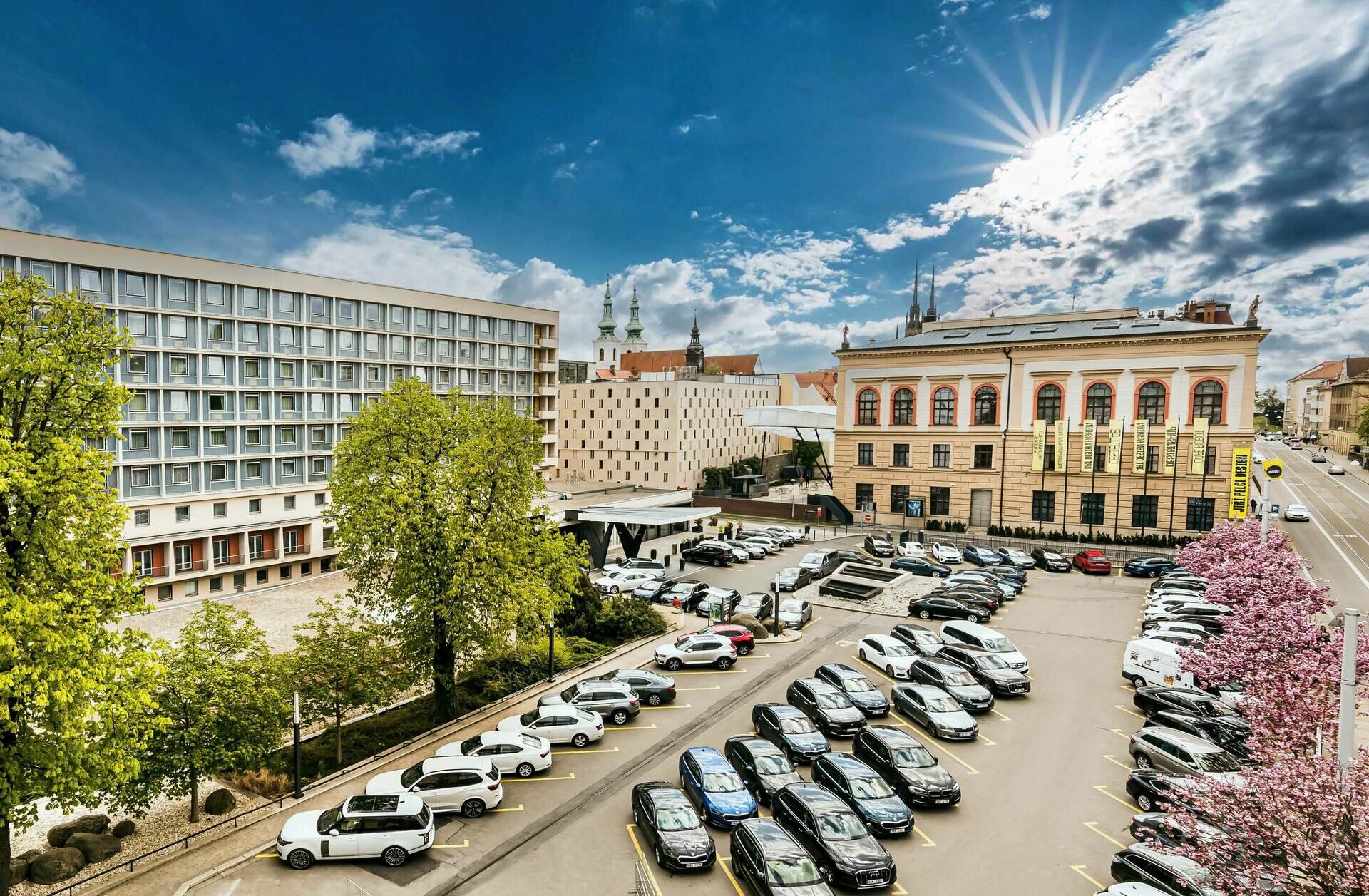
Hotel International Brno is a modern hotel located in the heart of Brno, offering comfortable accommodations and excellent facilities for courses and events. The hotel is conveniently situated near public transportation, making it easy for attendees to access the venue from various parts of the city.
11-15 January 2027
19-23 January 2026
20-24 January 2025
22-26 January 2024
16-20 January 2023
24-28 January 2022
20-24 January 2020
21-25 January 2019
22-26 January 2018
16-20 January 2017
11-15 January 2016
12-16 January 2015
13-17 January 2014
22-26 January 2013
| Name | Institution / Country |
|---|---|
| Prof. Dr. Milan Brázdil | St. Anne's University Hospital and Masaryk University, Brno, Czech Republic |
| Dr. Christine Bulteau-Peyrie | Rothschild Foundation Hospital, Paris, France |
| Prof. Dr. Jan Chrastina | St. Anne's University Hospital, Brno, Czech Republic |
| Prof. Dr. J. Helen Cross | UCL, London, UK |
| Prof. Dr. Arthur Cukiert | Neurology and Neurosurgery Clinic, São Paulo, Brazil |
| Dr. Cristine M. Cukiert | Neurology and Neurophysiology Clinic, São Paulo, Brazil |
| Dr. Ondřej Horák | University Hospital Brno and Masaryk University, Brno, Czech Republic |
| Prof. Dr. Pavel Kršek | Motol Epilepsy Center, Prague, Czech Republic |
| Assoc. Prof. Martin Kynčl, MD, PhD | Charles University and Motol University Hospital, Prague, Czech Republic |
| Prof. Dr. Petr Marusič | Motol Epilepsy Center, Prague, Czech Republic |
| Prof. Dr. Angelika Mühlebner | University Medical Center Utrecht, Netherlands |
| Prof. Dr. Ciğdem Ozkara | Cerrahpaşa Medical Faculty, Istanbul University-Cerrahpaşa, Istanbul, Turkey |
| Dr. Suresh Pujar, MRCPCH, PhD | Great Ormond Street Hospital for Children, London, UK |
| Prof. Dr. Georgia Ramantani | University Children's Hospital Zurich, Switzerland |
| Prof. Dr. Bertil Rydenhag | Institute of Neuroscience and Physiology, Gothenburg, Sweden |
| Dr. Laura Tassi | Niguarda Hospital, Milano, Italy |
| Prof. Dr. Maeike Ziljmans | University Medical Center Utrecht, Netherlands |

Main Course Venue
Hlinky 48
Hlinky 82
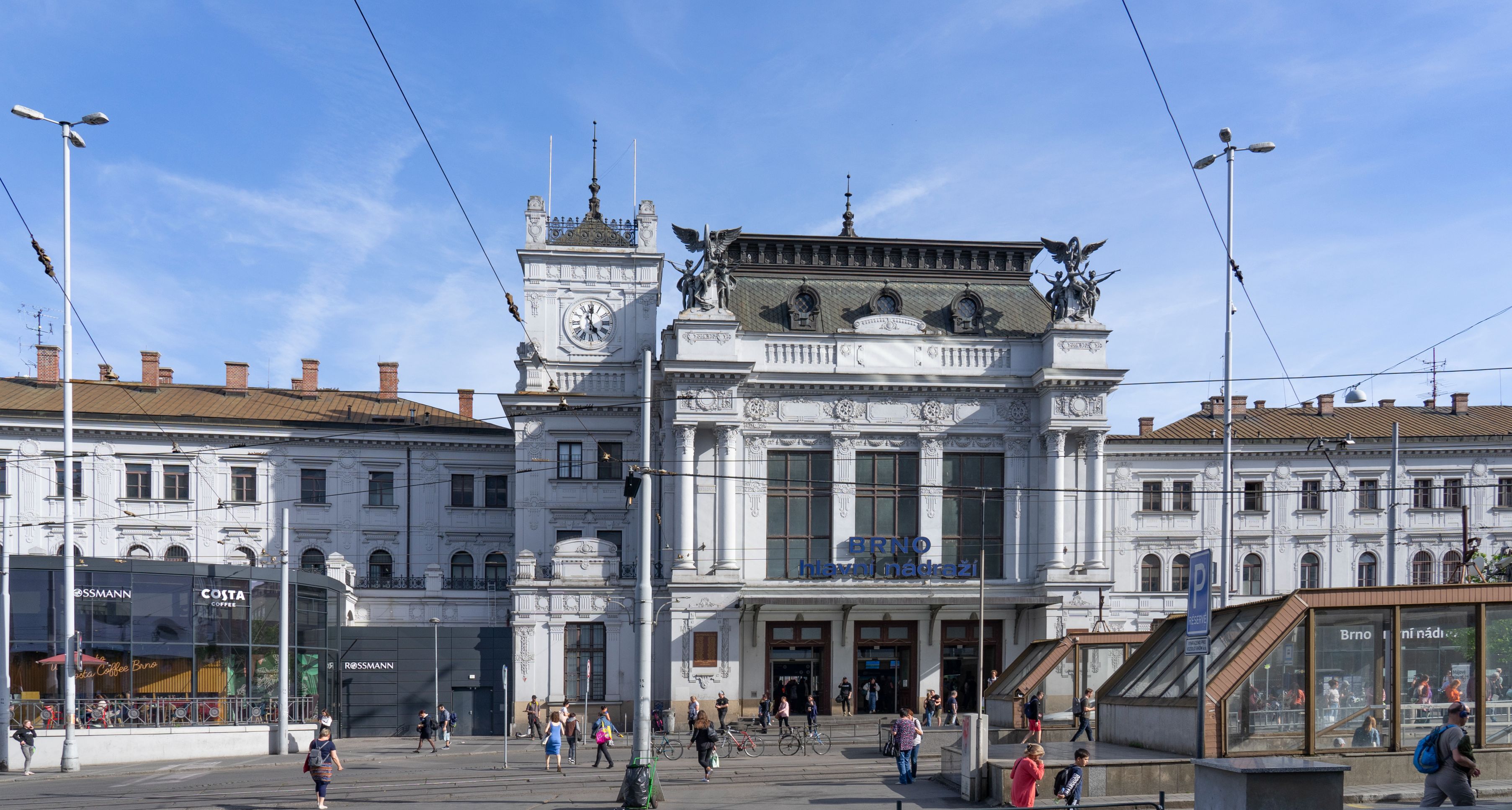
Main Public Transit Hub
Nádražní 418/1
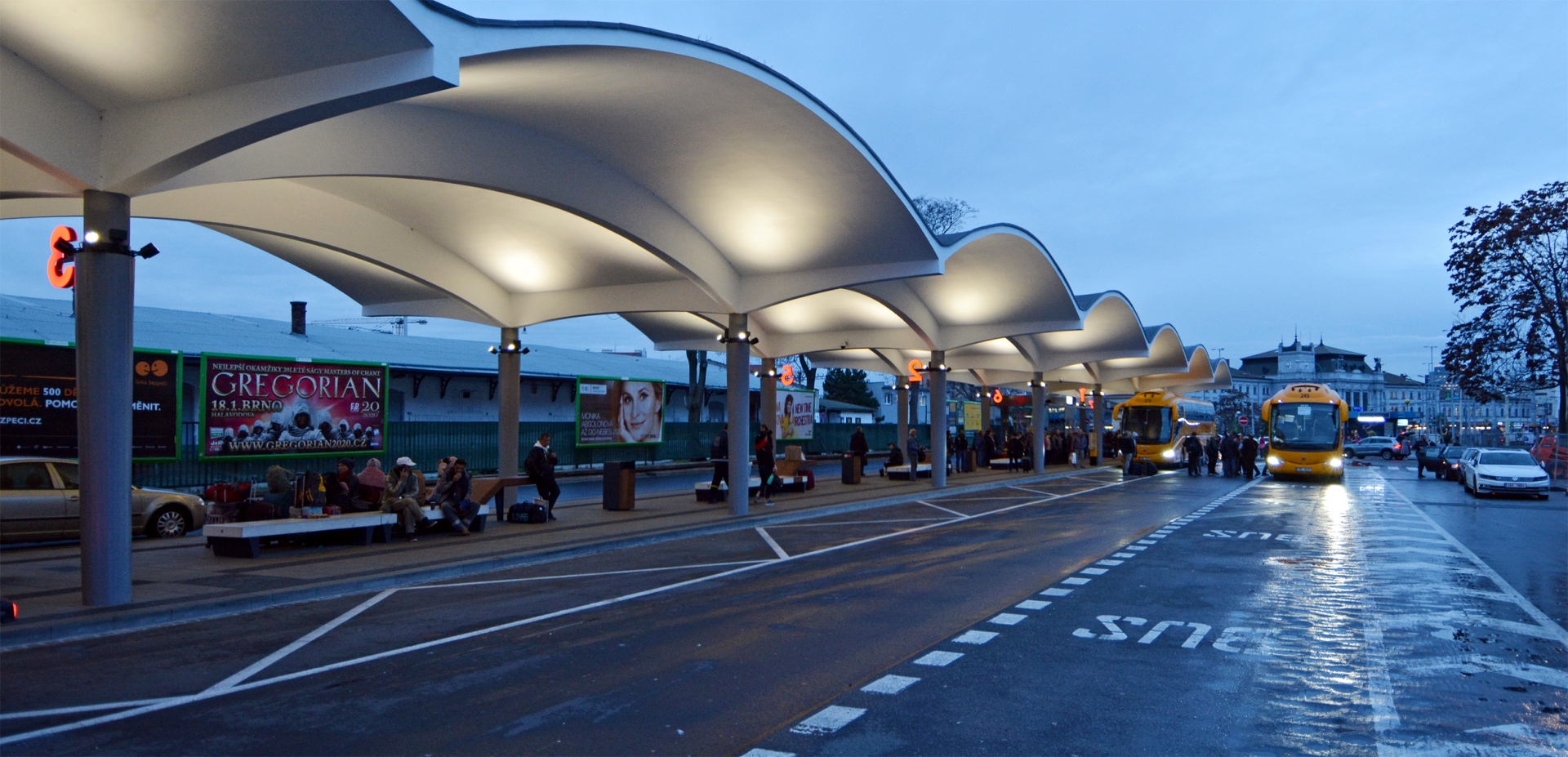
RegioJet & Flixbus Terminal